

Renovating Without Regret: How to plan a home upgrade that adds value instead of stress

For many households, the summer break provides the rare chance to slow down and plan out that long-delayed home renovation. Renowned Melbourne architect, Robert Caulfield, who has helped hundreds of people with renovations, explains that a well-planned renovation can dramatically enhance both the lifestyle of its homeowners and the property’s long-term value.
“Whether it’s a new kitchen, first-storey extension or a full reconfiguration of a dated floor plan, you can achieve a great result that suits you. Done well, a renovation can significantly increase the value of a home. But done haphazardly, it can easily become an exercise in fixing preventable mistakes or a financial disaster.”
Mr Caulfield, a former national president of the Australian Institute of Architects, advocates that “a good renovation or home extension can be a great investment. In a year or two, the value of your property should increase by more than 10% of the renovation cost. When you invest in your house, you don’t simply watch the return, you live it and enjoy it too.”
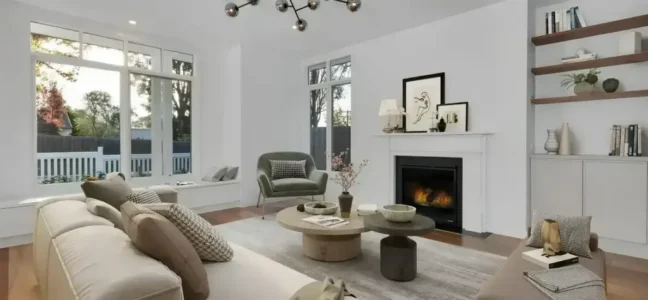
When carefully considered and properly documented, a renovation or extension can often return more than its cost within a few years. Improved usability, performance and overall appeal not only can improve your quality of life but also lift your home’s resale value without you having to incur capital gains tax. You need to discuss this with your financial adviser.
However, any return depends on whether the renovation is well-designed and well-executed. “Poor planning, inaccurate documentation drawings and bad contracts can lead to cost blowouts,” Mr Caulfield says. “You need to know what you’re getting yourself into so you can protect yourself.”
Steps to A Successful Renovation or Extension:
Mr Caulfield encourages homeowners to follow simple rules and avoid common mistakes to reduce the likelihood of a renovation going awry.
- Avoid Overcompensating
Creating a space that is unnecessarily large, costly and does not provide proportional value should be avoided. Bigger isn’t always better. “The most successful projects improve the efficiency of the home.”
- Complement, Don’t Compete
A renovation should complement the existing dwelling in both scale and quality and selecting finishes and fixtures that are appropriate to the home’s character is equally important. A few exorbitantly expensive fixtures in a standard house will look just as mismatched as adding a mediocre extension to a reasonable home and devalue the property more than anything. Ensuring the original home and renovation are of similar quality is key.
- Prepare
Engage an architect early to accurately measure up your property and help you prepare a written brief of what your renovation or extension will entail. It’s important to develop the brief with the whole family to avoid future conflict. Based on your brief, your architect should prepare concept plans to show you what you’re getting and provide you with a preliminary cost estimate. It’s important you work with your architect to review and revise the concept, keeping the design, cost and end value in mind.
- Be Cost Savvy
A good architect will also help you plan, negotiate and manage costs. Your architect can talk you through how to achieve what you want for less cost. “An economical structure that uses brick veneer instead of solid brick can give you a finish that looks just as good. To enable competitive prices, you need a really good set of drawings too. An architect can generally negotiate about 10% off the cost of the construction work, which pretty well pays for the architect’s fees and marketing a home as ‘architect-designed’ can add an extra 10% to the value of a house as well.” Mr Caulfield has prepared a free renovation cost guide to assist prospective renovators.
- Check & Double Check
Ensure you are confident before construction begins as making changes on the way through is costly. Many people have difficulty visualising plans so most architects now have comprehensive 3D modelling tools that can show you through the property. It’s important that you see 3D visualisations in the conceptual stage before locking down your design to ensure you know what you’re getting. These will enable you to gauge the scale of rooms, ceiling heights and how one thing relates to another.
- Protect Yourself
When you’re ready to engage a builder, either by going to tender or selecting a preferred builder from the outset. Competitive tenders should be limited to a maximum of three to ensure each has a fair chance and quotes are accurate. Selecting a specific builder early on can allow your architect to negotiate costs early in the process and provide you with a more accurate cost estimate. Good, accurate construction drawings are your best protection against costly variations, delays and disputes.
A solid building contract is key. The timing of payments, mandatory inspections, insurances, defects liability period and retention fund held until defects are resolved at the end of the process should be outlined. It’s best to engage your architect to carry out the contract administration. They’ll be responsible for speaking with the builder and ensuring corners are not being cut, you don’t overpay during construction, all authorities’ and building permits are in order, mandatory inspections are undertaken and work is being done in accordance with the drawings and contract.

Renovating or extending your home should be both an enjoyable and enlightening journey. With careful planning and professional guidance, you’ll finish with a home that greatly enhances the lifestyle of you, your family and friends, and if done properly, you’ll watch the value of your property go up, tax-free.